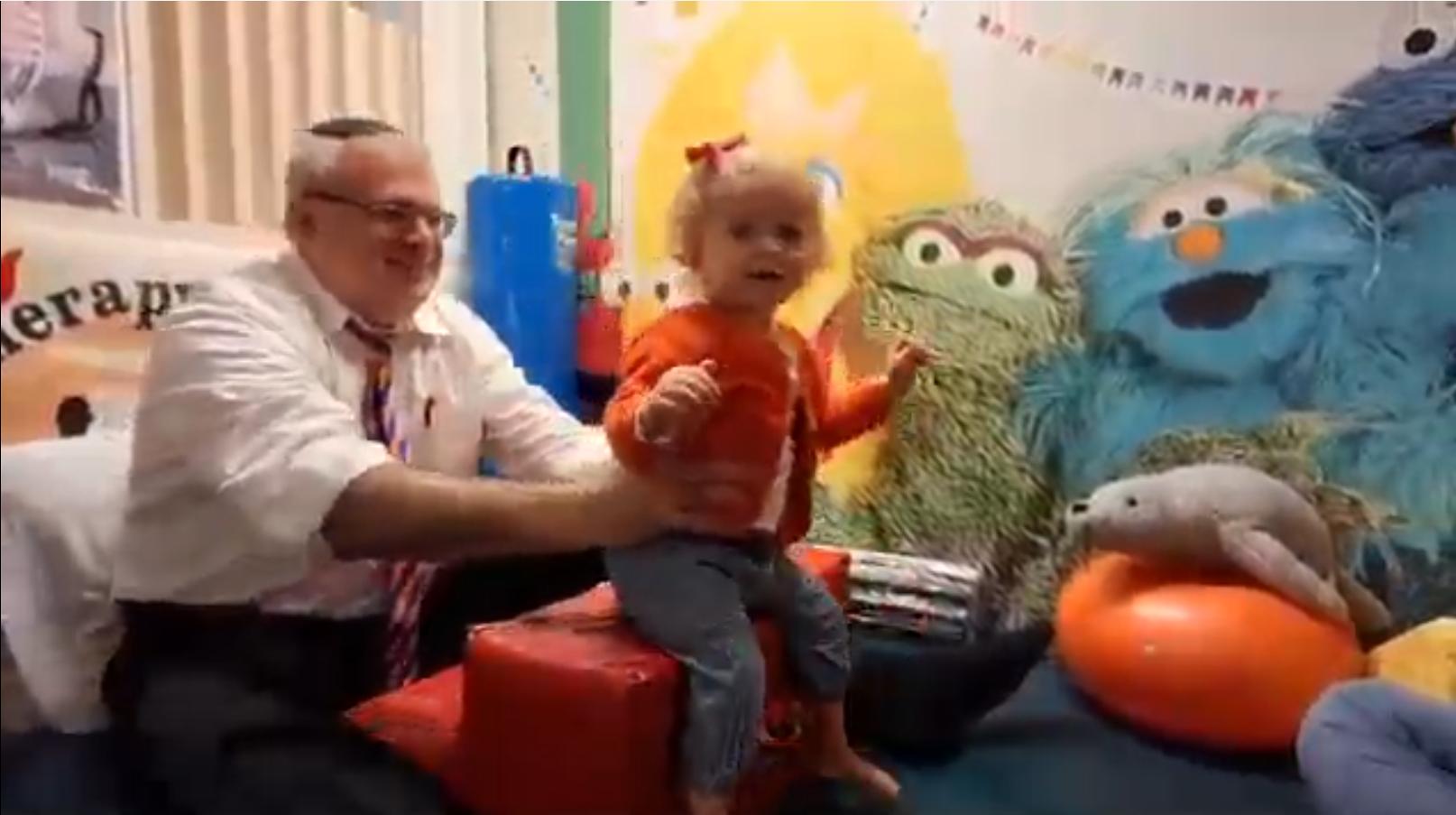
The Playful Path to Walking: Abe’s Individualized Approach
admin
The Playful Path to Walking: Abe’s Individualized Approach
Teaching a child to walk involves a series of developmental steps that can be supported through targeted exercises and guidance. It’s essential to encourage proper posture, balance, and muscle strength, as these foundational skills are crucial for independent walking. Physical therapists can work with children to improve coordination, timing, and confidence, using activities that stimulate motor skills and create a fun learning environment.
By focusing on step-by-step milestones, therapists can assess a child’s progress and adapt exercises to suit their individual needs. This approach ensures that each child develops the strength and coordination needed for walking in a safe and supportive manner. Over time, these exercises help children achieve independence in walking and improve their overall physical development.
Abe’s technique for teaching a child to walk focuses on building strength, balance, and coordination in a gradual and supportive way. He uses individualized exercises designed to target muscle groups that are crucial for walking, ensuring that the child gains confidence and mobility step by step. His approach emphasizes functional movements and play-based activities, which makes the learning process enjoyable and engaging for children. This method helps create a strong foundation for walking while also encouraging physical development in a fun, non-intimidating way.